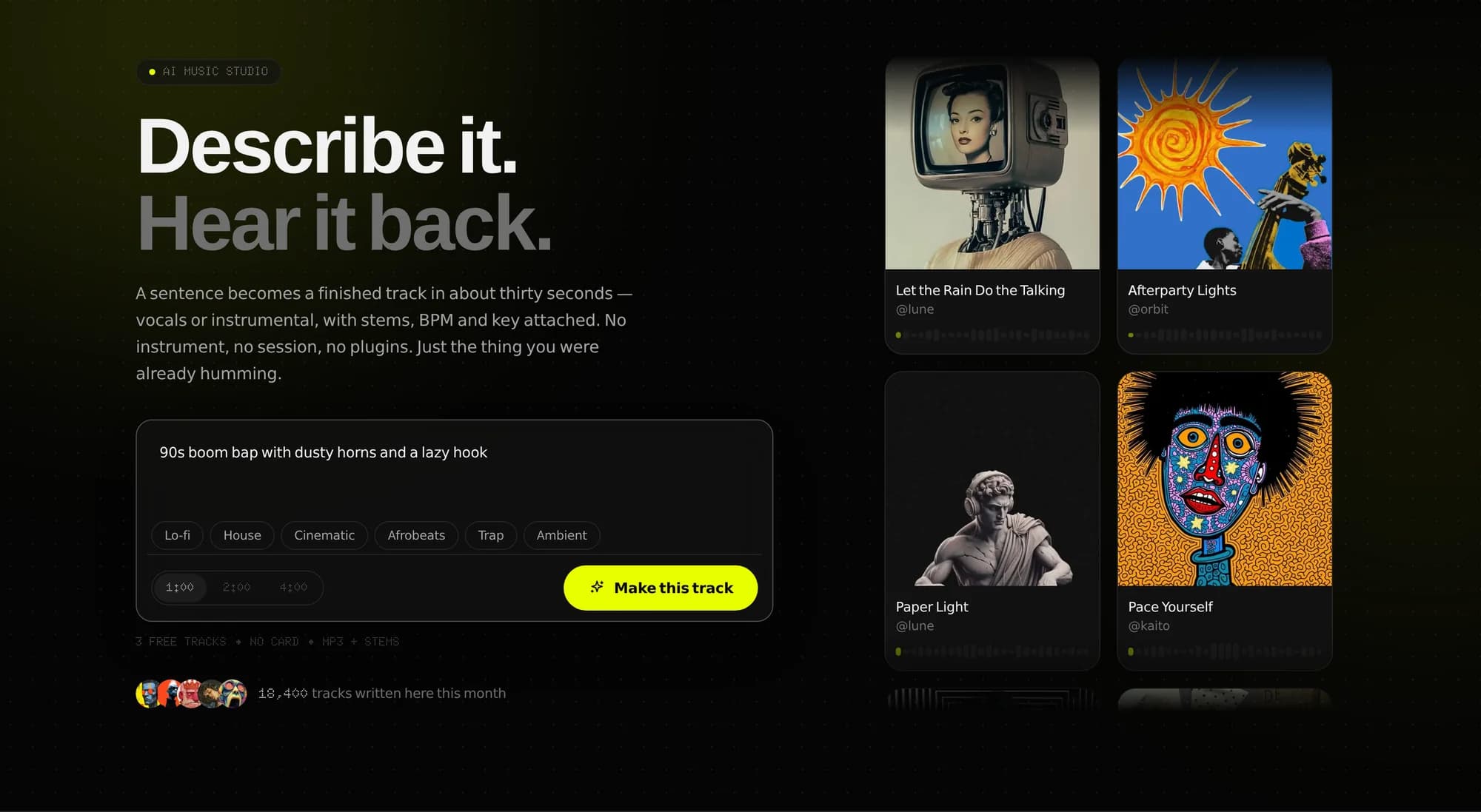
View case study
Wavvy
AI Music Studio
My own music, written and produced by me
I design complex digital products from problem to working prototype — using AI and code to move faster from idea to validation.
Senior Product DesignerAI-Driven Product Experiences
I design complex digital products from problem to working prototype — using AI and code to move faster from idea to validation.
See how I workFrom discovery and UX strategy through to prototyping and production-ready experiences, I work across the whole product process — using AI and code to explore more directions, validate them faster, and close the distance between a design and the thing that ships.
Wavvy
AI Music Studio
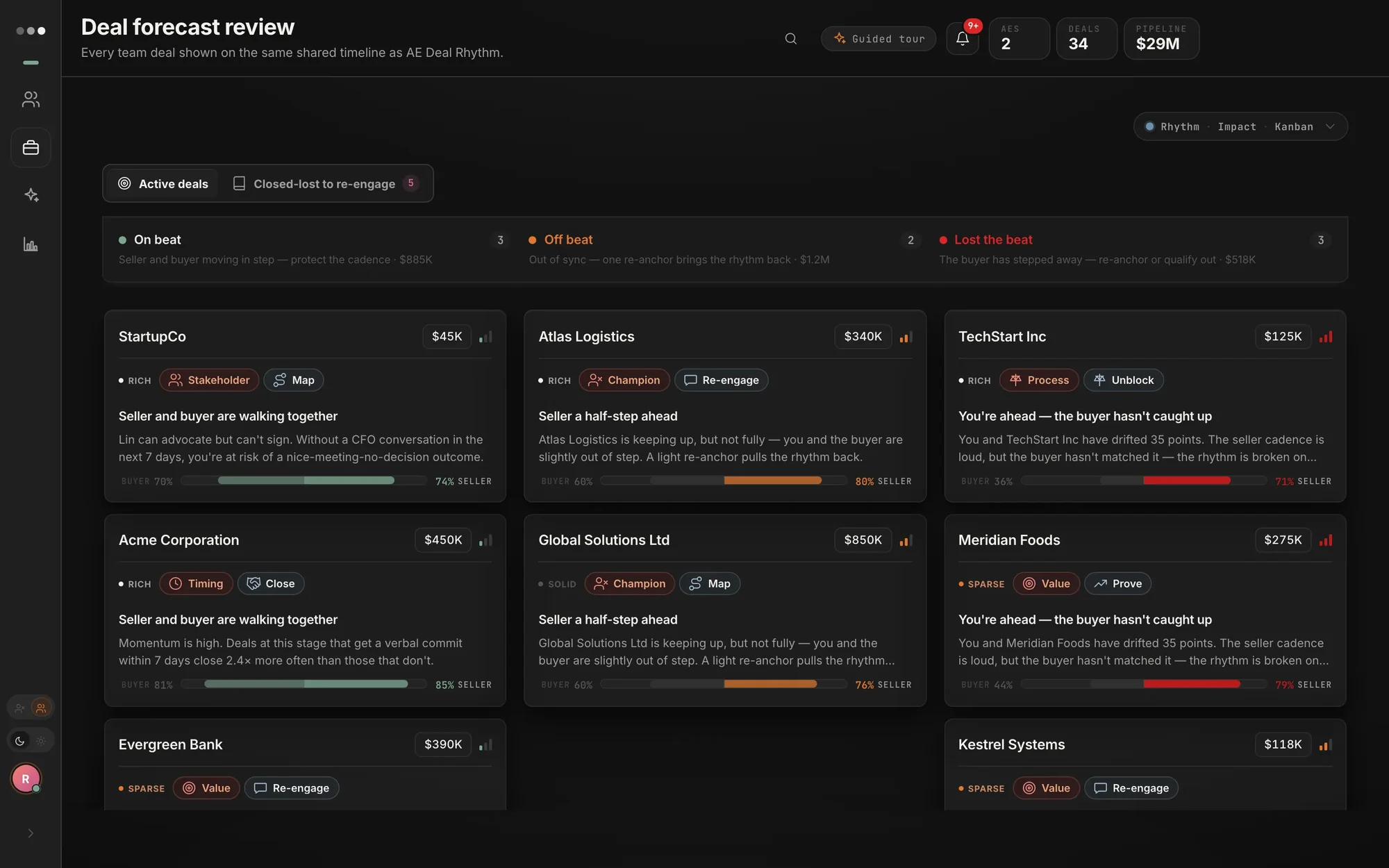
Nudge
Sales Intelligence · AI
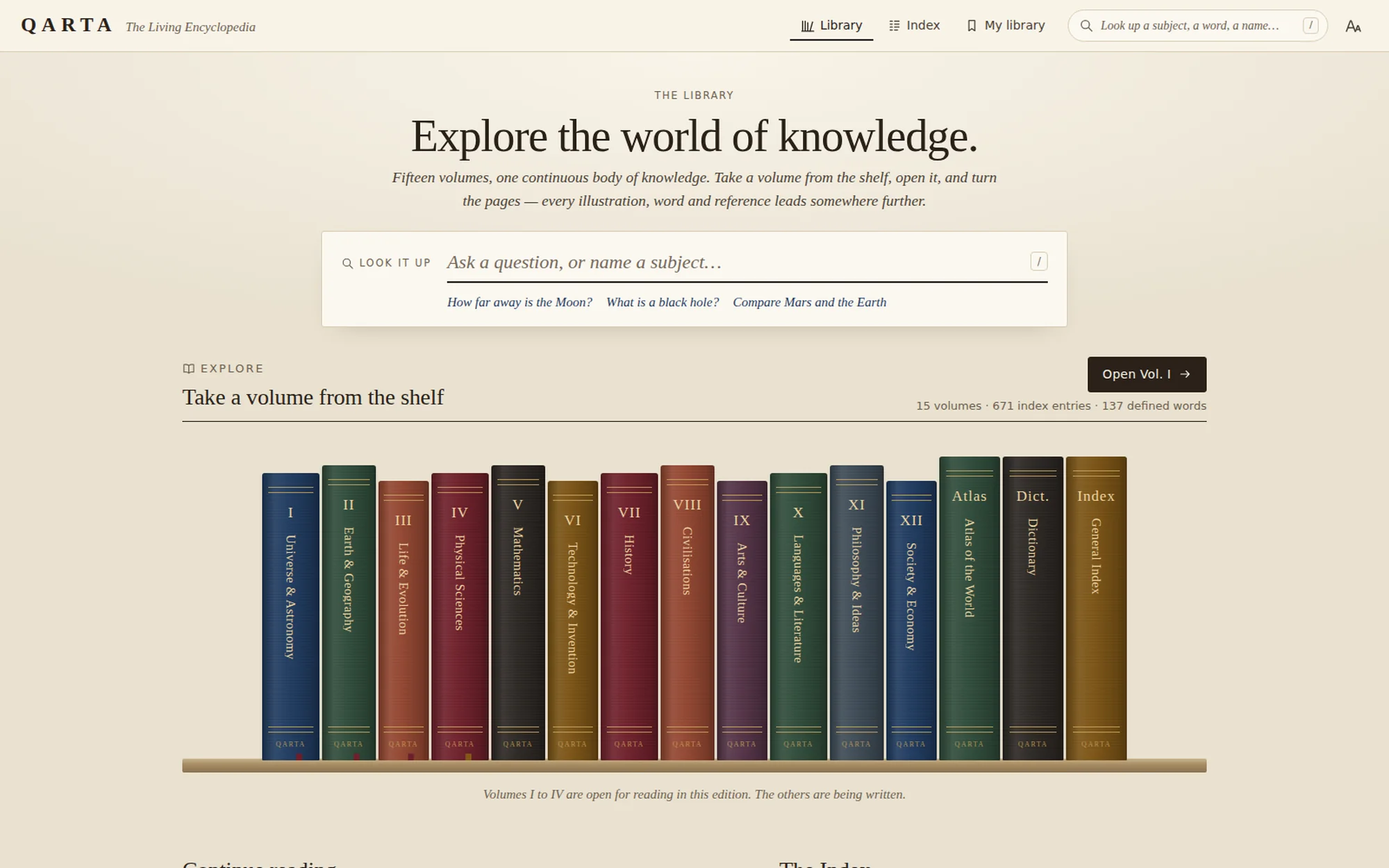
Qarta
Digital Encyclopedia
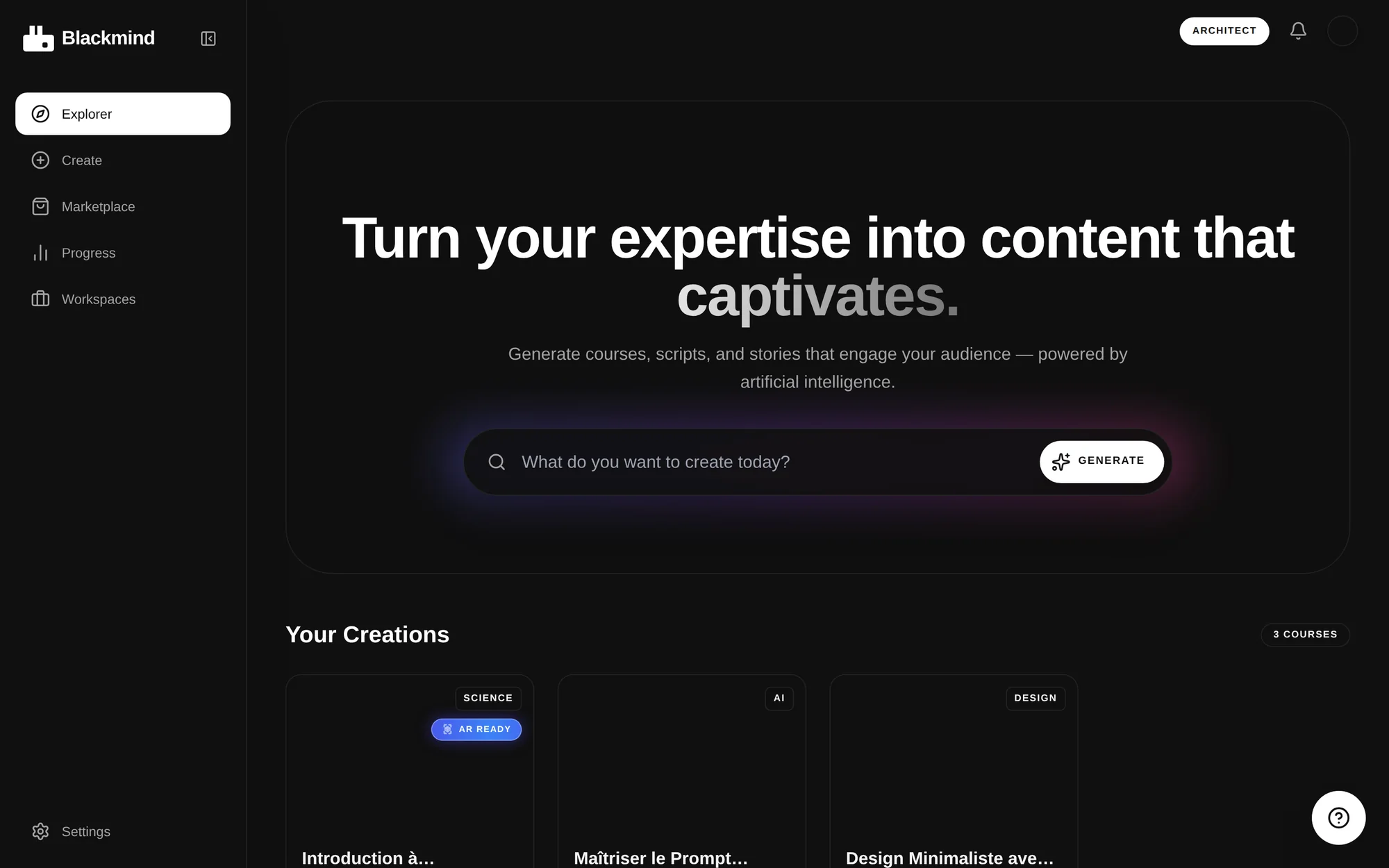
Blackmind
AI-Powered Knowledge Ecosystem
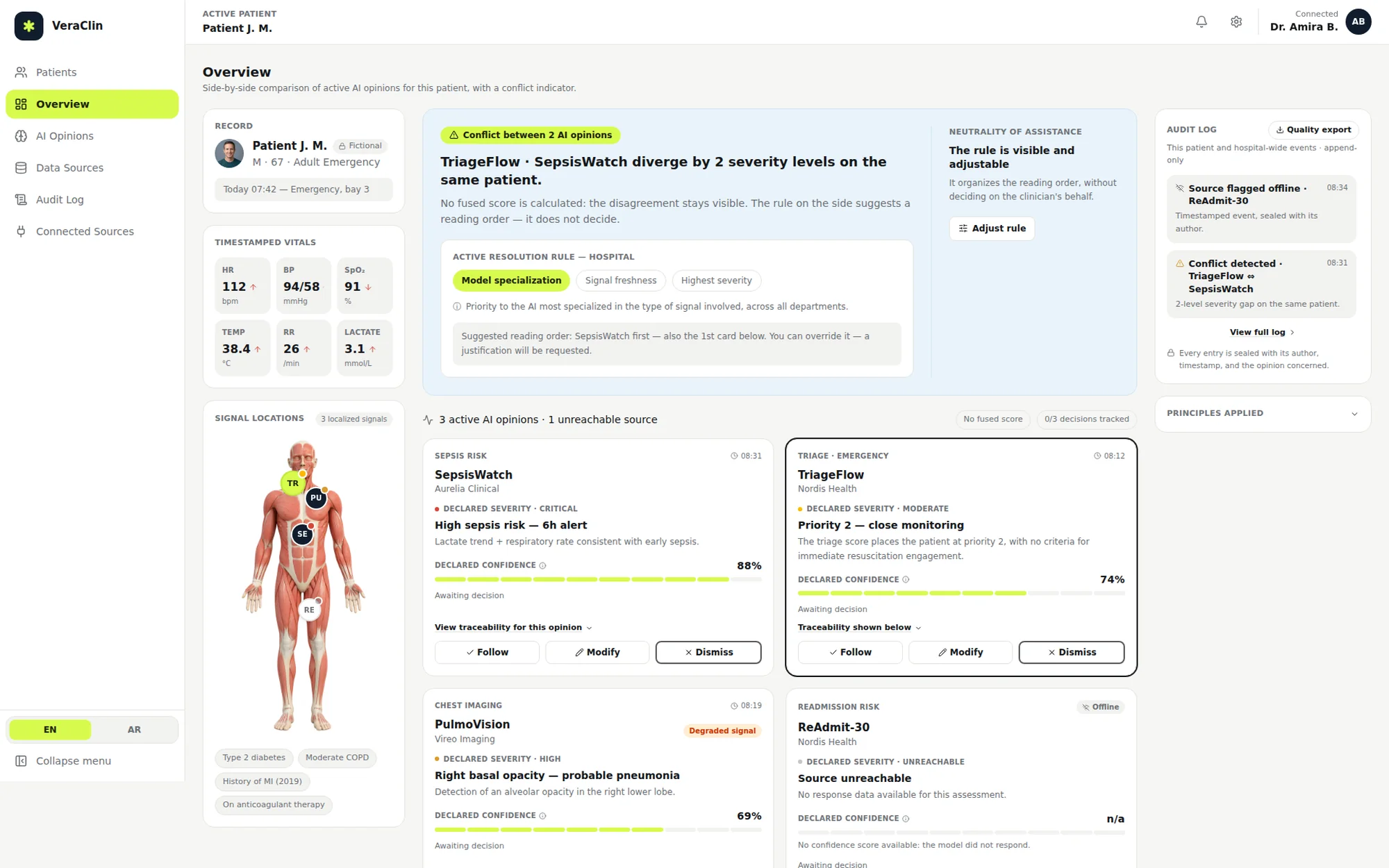
VeraClin
Clinical AI Arbitration
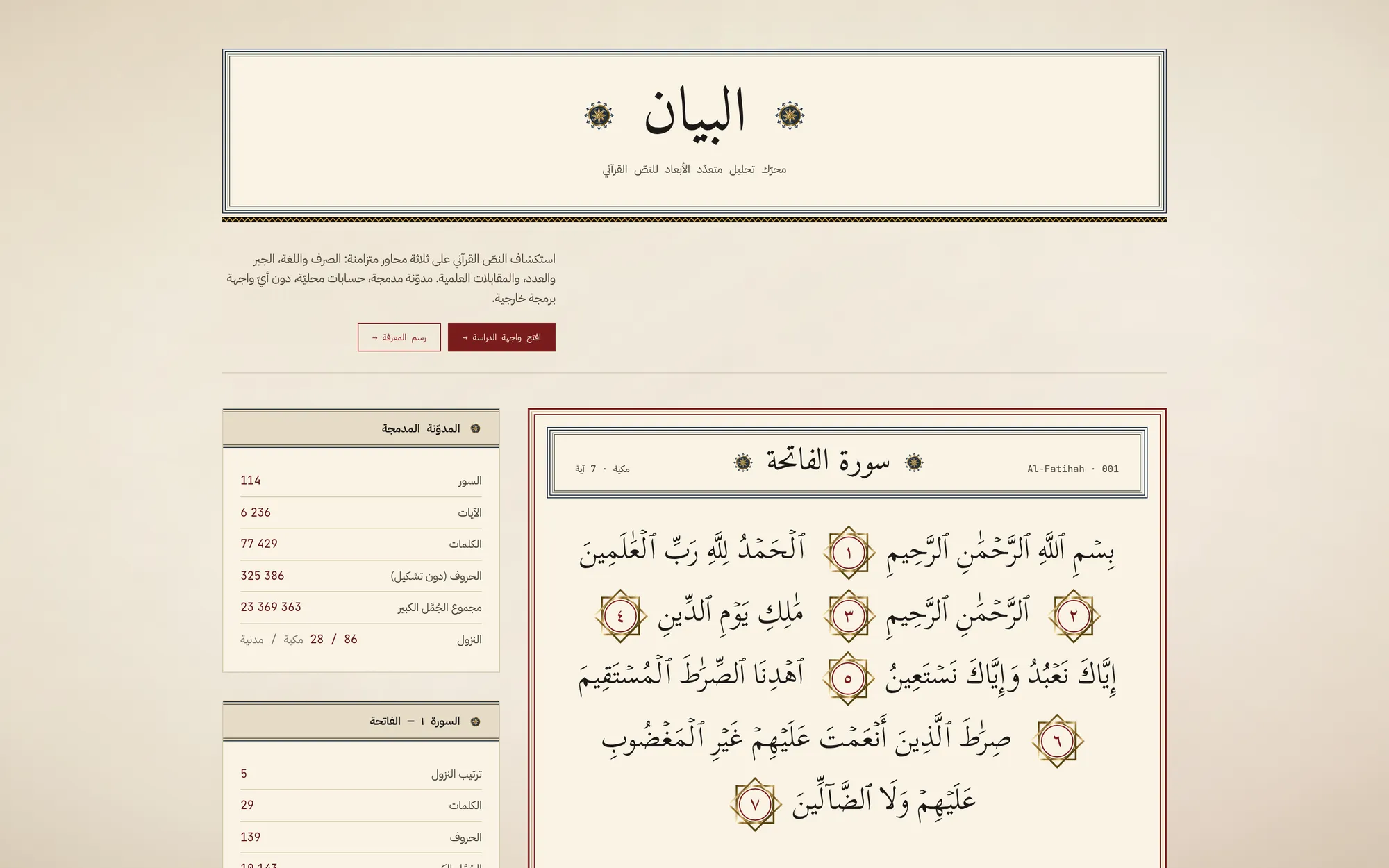
Self-directed
Quranic Analysis Engine
I design the whole path — research, system, interface, and the handoff that survives contact with engineering. Then I build enough of it myself to know the design holds. Almost fifteen years of that, most of them leading the team doing it.
A portfolio is not a gallery. Every screen here shipped, met a real constraint, and can be opened by a real user.
Not a skills list. These are the parts of the job I own when a product is ambiguous, complicated, or both.
Turning an ambiguous problem into a clear product direction — and being able to say what the product should not do.
Structuring complex workflows around what people actually need to get done, under whatever constraint the domain imposes.
Using AI to accelerate research, exploration and prototyping — more directions examined in the time one used to take.
Getting from concept to a realistic, interactive experience quickly, so a decision is tested rather than argued about.
Working close enough to the code to know the designed experience survives implementation — because that is where most of it is lost.
I turn design decisions into working prototypes quickly, so the experience gets tested in something close to the real product rather than a clickable mock. The pipeline underneath joins Claude, Figma, GitHub and Vercel, so design and code read from one source — at Neoshore that cut time-to-market by 60–75% and handoff errors by over 85%. The speed comes from removing the handover, not from skipping the parts that make code maintainable.
I don't use AI-generated code as a shortcut around design. I use it to bring an idea into working form faster, test the real interactions, and find the problems while they are still cheap to change. What comes out the other side is complete — the product, the system it runs on, and enough written down that someone else can carry it.
Deployed to production, opened by real users — not a local demo.
A visual direction built for the product and its market — not a default style.
So the team — or the next designer — picks up exactly where I left off.
“Start from the constraint, not the moodboard. The interesting design decisions are the ones a real limit forces you to make.”
How I start
Research & framing
I'm interested in products where UX, technology and new interaction models intersect.